Causality Classification in Pharmacovigilance: Explained
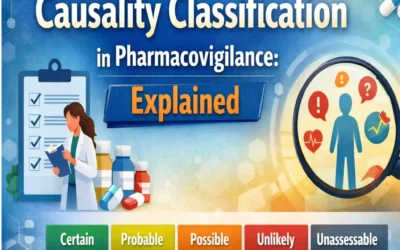
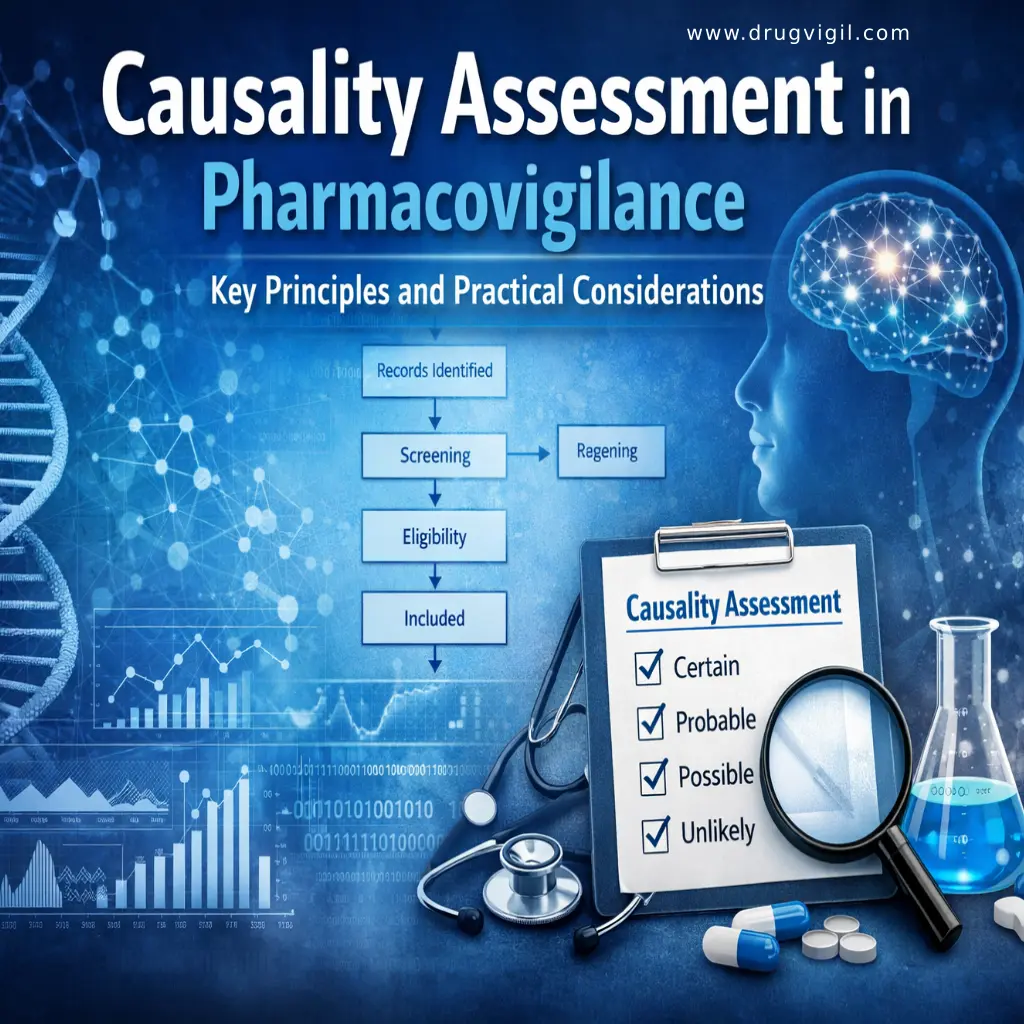
A simplified guide to causality assessment in pharmacovigilance, covering WHO-UMC classifications and key criteria for evaluating adverse drug reactions.
Within this tag, you will discover a complete repository of information pertaining to ICSR (Individual Case Safety Report) cases, presented systematically from top to bottom at each level.
A simplified guide to causality assessment in pharmacovigilance, covering WHO-UMC classifications and key criteria for evaluating adverse drug reactions.
Causality assessment is one of the most critical and challenging tasks in pharmacovigilance. It requires more than simply linking an adverse event to a drug.
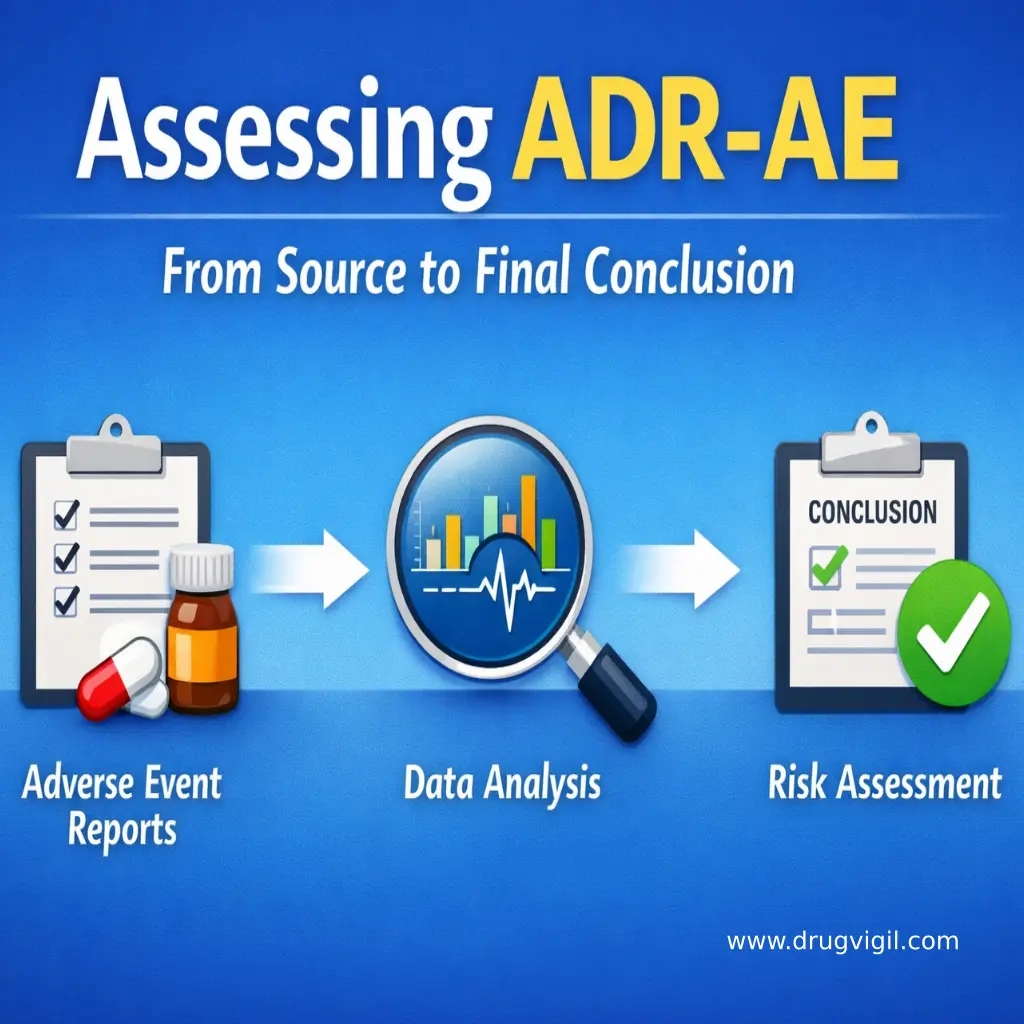
Assessing ADR-AE (Adverse Drug Reactions and Adverse Events) are more than regulatory terminology—so it is necessary to report rightly. so here we explore.
This article explores the practical considerations, & common challenges involved in causality assessment, highlighting why it remains one of the toughest tasks.
Concomitant medications are a constant reality in modern clinical practice and play a critical role in pharmacovigilance safety assessment. Let’s dive in.
This blog features: Introduction Concomitant drugs are one of the most frequently coded elements in case processing, alongside…
This article explores the critical safety considerations surrounding pregnancy and lactation, highlights key distinctions in case assessment. Lets explore.
This article breaks down the terms such as death, fatal, and life-threatening are often used interchangeably—yet each carries a distinct regulatory meaning.
Copyright © Drugvigil. All Rights Reserved.