Pharmacovigilance Case Management: Challenges, Strategies, & Insights
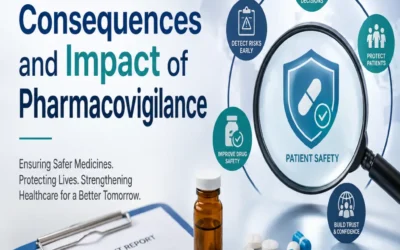
This article explores the fundamentals of pharmacovigilance case management, key industry trends, and practical strategies—including automation and AI.
Expert insights, industry updates, and practical guides on drug safety monitoring and regulatory compliance.
This article explores the fundamentals of pharmacovigilance case management, key industry trends, and practical strategies—including automation and AI.
This article explores the different types of pharmacovigilance service providers, the factors to consider when selecting one though your process.
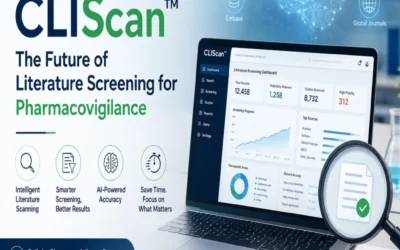
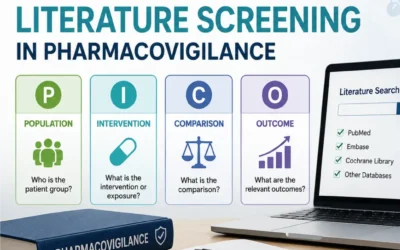
Literature screening is a fundamental step in pharmacovigilance literature management. So here we explain an overview of understanding the process.
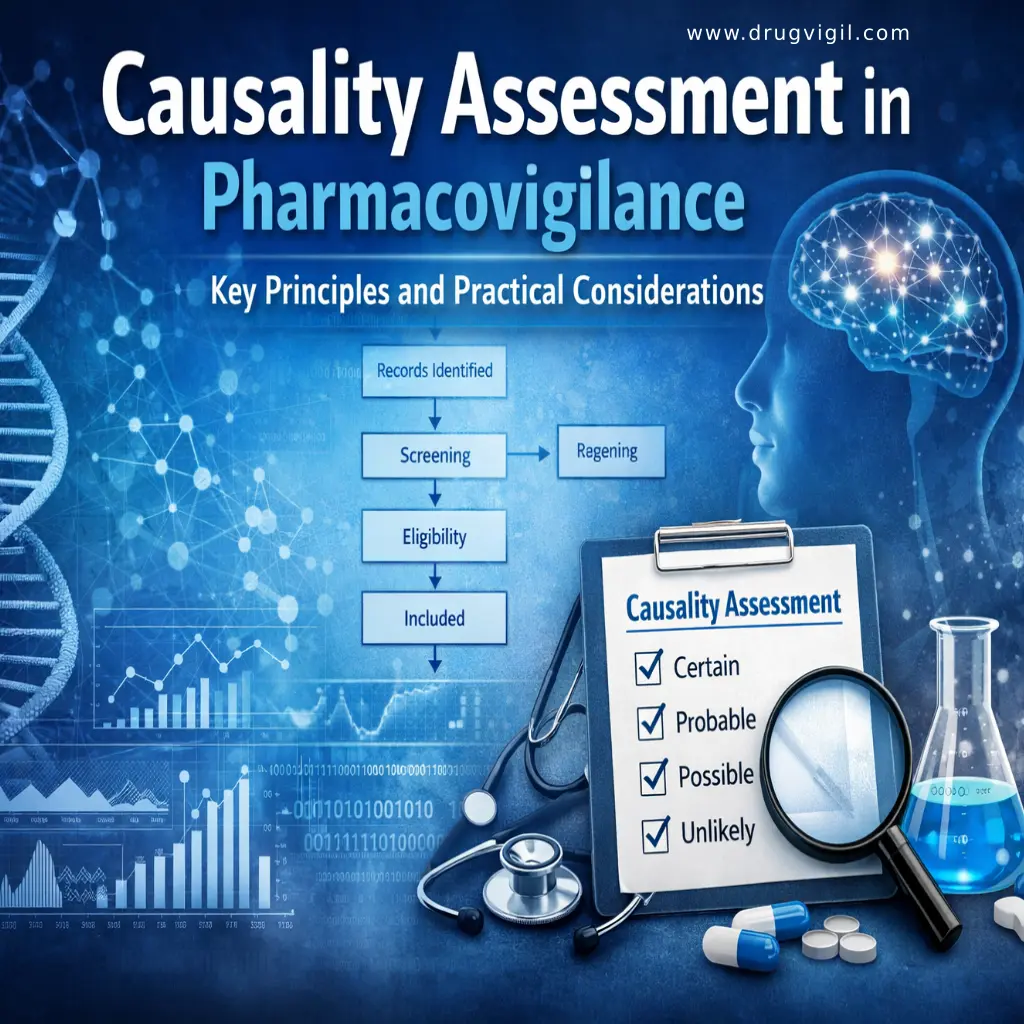
Causality assessment is one of the most critical and challenging tasks in pharmacovigilance. It requires more than simply linking an adverse event to a drug.
Assessing ADR-AE (Adverse Drug Reactions and Adverse Events) are more than regulatory terminology—so it is necessary to report rightly. so here we explore.
In today’s rapidly evolving compliance landscape, Regulatory Intelligence has emerged as a strategic necessity rather than a back-office function.
This article explores the practical considerations, & common challenges involved in causality assessment, highlighting why it remains one of the toughest tasks.
Concomitant medications are a constant reality in modern clinical practice and play a critical role in pharmacovigilance safety assessment. Let’s dive in.
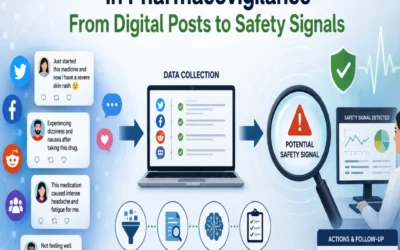
Learn how social media data mining is reshaping pharmacovigilance through, enabling early detection of adverse drug reactions and real-world safety insights.
This blog features: Introduction Concomitant drugs are one of the most frequently coded elements in case processing, alongside…
This article outlines their purpose, necessity, & key responsibilities in ensuring the safety of medicinal products at National Pharmacovigilance Centres.
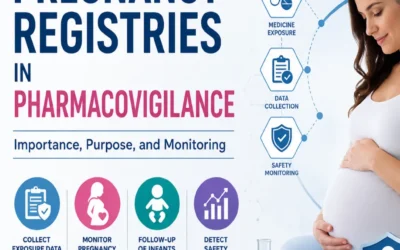
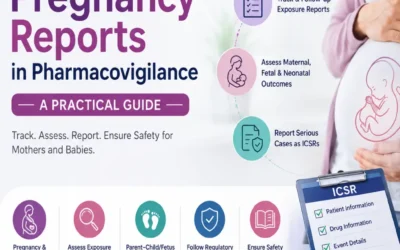
This article explores the critical safety considerations surrounding pregnancy and lactation, highlights key distinctions in case assessment. Lets explore.
High-quality case reports form the backbone of effective pharmacovigilance. This article explores what defines a good case report in pharmacovigilance.
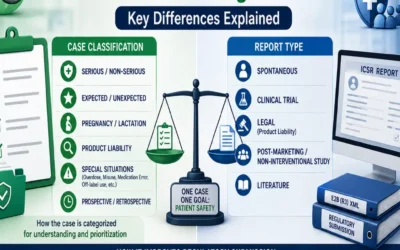
This article breaks down the terms such as death, fatal, and life-threatening are often used interchangeably—yet each carries a distinct regulatory meaning.
This blog explores what case corrections are, why they are necessary, and highlights common real-world examples every PV professional should know.
This article explores the core principles of Pharmacovigilance Compliance Management and the strategic value of maintaining inspection-ready systems.
In this blog, you will learn about: Introduction The post-pandemic world has accelerated our dependence on digital technologies…
Drug indications might seem like a simple detail, but in PV case processing they can quickly become tricky. Let’s discuss in deeper.
This blog features: Introduction This blog provides a clear and concise overview of the Qualified Person for Pharmacovigilance…
Setting up a PV service business is a complex. This article explores what it truly takes to become a reliable and effective pharmacovigilance service provider.
In this article, Pregnancy-related cases in pharmacovigilance present unique challenges, requiring careful assessment of both paternal and maternal exposures.
This article explores how to effectively select and prioritize cases for causality assessment, with a special focus on serious and AEFI-related reports.
In this comprehensive article, we explain the six classifieds of adverse drug reactions types, each accompanied by a brief definition.
Designing and implementing an effective QMS is essential for ensuring consistency, compliance, and continuous improvement across any organization.
In this comprehensive article, you’ll discover who the key term by subjects in clinical studies. Let’s dive in and explore.
This comprehensive article highlights the core departments that are essential for the smooth and effective functioning of a pharmacovigilance (PV) department.
This article explains the importance of adverse event reporting to how to further process for effective submission reports to regulatory authorities.
This blog covers: Introduction Pharmacovigilance coding involves several complex and often confusing areas, including indications, adverse events, and…
This article explores how the Warnings and Precautions section of safety documents plays a critical role in this process. Let’s dive in and explore.
This article would give you an insights product-specific documents and the Company Core Data Sheet (CCDS) are two essential yet often misunderstood references.
This comprehensive blog will guide you through the fundamentals of “action taken” in case files and its impact on patient outcomes, highlighting their interrelation.
Understanding how to handle condition aggravated as reported as an adverse event is a common challenge in pharmacovigilance case processing. Let’s dive in.
In this blog, we explore how automation can enhance ICSR processing, best practices for implementation, and the key benefits it brings to pharmacovigilance.
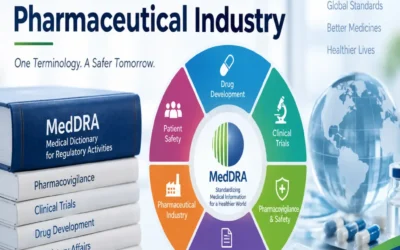
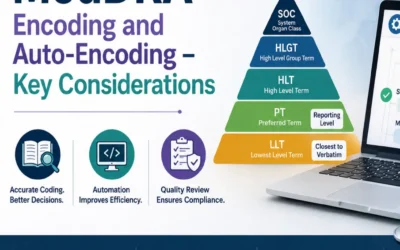
MedDRA codes explained in a simple and concise way—learn what they are, how they work, and why these unique 8-digit identifiers matter in pharmacovigilance.
This blog provides a clear and concise overview of pharmacovigilance system master file the essential components, regulatory expectations, maintenance practices.
In This blog, You’ll discover: Introduction In any field of work, meaningful contributions are essential to achieving success—and…
This article demystifies the distinction between the two, the terms why severe isn’t always serious are often misunderstood—and mistakenly used interchangeably.
This blog covers the following: Introduction Pharmacovigilance involves much more than just managing adverse reactions or events with…
This blog features: Introduction This article highlights the vital role of pharmacists in pharmacovigilance, emphasizing why they are…
This comprehensive blog that guide o explore the critical role and responsibilities of Marketing Authorization Holder (MAH) in the pharmaceutical industry.
This blog features: Introduction This comprehensive article explores how to handle fatal cases, which are classified under the…
This blog covers: Introduction In today’s regulatory environment, every product must adhere to specific timelines to ensure safety,…
This blog covers the following topics: Overview Risk registers are a critical component of any business, helping to…
Welcome to our informative article, where we unravel the concept of the Investigational Brochure (IB). In this comprehensive piece, we aim to provide a clear understanding of what an IB is, its purpose, significance, and the important components it comprises.
In this comprehensive blog discussing data entry into databases, we will explore essential factors to consider and apply when dealing with Adverse Event coding. Check this out.
This blog covers: Introduction In this article, we explore everything you need to know about product complaint management,…
From this pharmcovigilance blog, where we explore the fascinating evolution of pharmacovigilance databases. In this article, we delve into the origins of pharmacovigilance databases and trace their journey to their current state of utilization.
This blog covers: Introduction In this blog, we explore how report types can vary depending on the reporter,…
This blog features: Introduction This blog provides a clear understanding of why pharmacovigilance is a crucial aspect of…
This blog includes: Introduction In the context of data collection, multiple report types contribute to the generation of…
This blog covers: Introduction If you’re involved in case processing, you’re likely aware that investigation records can sometimes…
This blog features: Introduction Many pharmacovigilance professionals experience a range of uncertainties when it comes to the process…
This blog covers: Introduction Have you ever wondered how to merge cases effectively without compromising important information? In…
In this blog, you will discover essential insights for enhancing your company’s quality, guided by the principles of GVP (Good Pharmacovigilance Practice). It contains a concise summary of critical information derived from GVP that is imperative for your knowledge.
This blog covers: Introduction Causality is a well-known concept, and in pharmacovigilance, its assessment is fundamental—case processing simply…
In this all-encompassing career development blog, you will delve into the decision-making process of choosing between pharmacovigilance and clinical trials. Rather than hesitating and potentially making the wrong choice, it is essential to opt for the right one from the start. Let’s explore and make an informed decision together.
This blog showcases a comprehensive list featuring alpha-2 and alpha-3 country codes, providing complete identification for each country. While it may seem somewhat distant within our niche, it remains relevant to the book-in process.
Welcome to our blog, where we provide comprehensive details and offer effective ideas to enhance your productivity. We understand that sometimes our usual approaches may not yield the desired results, so we encourage you to explore alternatives.
This blog is to explain about the fundamentals of Individual Case Safety Reports (ICSRs) and present them in an easily understandable manner. In this article, we provide dedicated definitions of key ICSR terms, ensuring clarity and comprehension with references.
This blog covers a topic that isn’t talked about much: comparing MedDRA, WHODD, and Core Company Dictionary. It’s designed for beginners. We hope it gives you some clarifications.
This comprehensive blog provides an in-depth look at what no adverse event reports are, while also addressing the uncertainties and scenarios you may encounter when handling these reports.
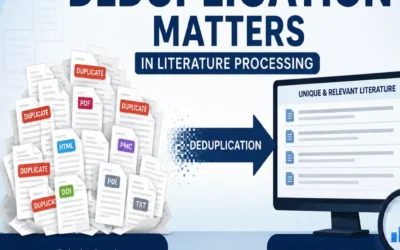
In this blog, we take a deep dive into ICSR management, focusing on an important aspect: managing duplicates. This time, we explore the process of selecting a master case for merging duplicate cases effectively.
This blog explores how to effectively handle significant events, focusing on what qualifies as a “serious” event and the process of upgrading or downgrading events as they unfold. Understanding the severity of an event allows for a more adaptive and responsive approach to event management.
From this comprehensive blog, you will gain insights into the nuances of handling significant vs non-significant reports in ICSR case processing.
This blog features: Introduction Confusions and uncertainty are common in every profession. Gaining clarity in subject matter is…
This blog covers the following topics: Introduction As healthcare professionals, you’re likely familiar with MedDRA, or at least…
In this comprehensive blog guide, we uncover the distinctions between misuse, abuse, and addiction as reported in pharmacovigilance, providing clear differentiations with relevant examples.
In this article, we address more complex special case scenarios, such as occupational and accidental exposures, when reported as adverse events.
n this MedDRA series article, we will explore additional tips to help enhance your case processing skills, particularly for those who may feel uncertain about MedDRA coding.
This blog covers: Introduction In this comprehensive blog, we will delve into the nuances and criteria that determine…
In this detailed blog, we delve into the detection of duplicates in pharmacovigilance case processing, incorporating statistical insights throughout our exploration. Join us on our journey as we share our findings and insights.
This blog covers: Introduction Duplicate reports are a regular challenge in pharmacovigilance case processing, encountered by professionals. This…
In this comprehensive blog, you will explore the various categories and scenarios involved in handling pregnancy cases within pharmacovigilance case processing. Let’s dive in!
Here in this informative pharmacovigilance blog, where we provide a comprehensive overview of the book-in process in Individual Case Safety Report (ICSR) management. In this article, we present a step-by-step guide that simplifies the book-in process, ensuring a better understanding for all.
In this comprehensive blog, you’ll learn everything about handling personal data within pharmacovigilance reporting, along with crucial insights. Stay tuned for more updates!
Discover crucial information on medication error and drug safety in Drugvigil’s blog. Stay informed on pharmacovigilance updates.
This blog includes: Introduction In adverse event reporting, each case often includes initial reports and multiple follow-ups. This…
This blog covers: Introduction This blog focuses on the processes involved in conducting causality assessments. You will learn…
In this blog, where we shed light on the common mistakes often encountered by pharmacovigilance coders in their daily work. It’s easy to overlook the potential errors that can occur within our processes if we’re not aware of them. By identifying and addressing them, we aim to improve the overall accuracy and efficiency. Join us as we explore the world of pharmacovigilance.
This blog provides specific information on: Introduction In this write-up, you will have clarity from: Many people believe…
In this article, you’ll learn how to picking receipt dates during case processing in various scenarios—a commonly confusing aspect. We will explore the complexities involved and provide clarity on this often intricate topic.
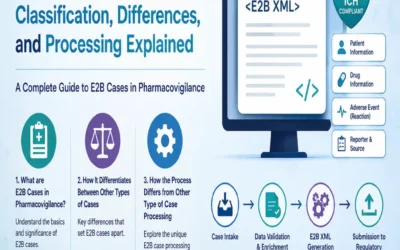
Welcome to our informative blog. Here you can learn about the difference between E2b (R2) and E2b (R3), Building upon our previous discussion about E2B, we now delve deeper into the evolution of the E2B standard.
In this detailed blog, we explore into CAPA cases, their workflow, and their significance within pharmacovigilance. Explore further to gain a deeper understanding of how to effectively manage CAPA within this context.
In this blog, where you can learn the significance of receipt dates in ICSR (Individual Case Safety Report) case processing and their impact on submissions. Join us as we explore the context of case processing in related with receipt dates.
In this comprehensive blog, we explore what case linking means in the context of ICSR cases and also explain the criteria for linking cases.
Welcome to the next installment of our ICSR category series in our blog, where we delve into the definitions of various receipt dates in ICSR case processing.
In this comprehensive blog, we delve into key tips for effectively performing MedDRA coding, addressing common sources of confusion. Here are a few valuable tips worth exploring.
In this article, we delve into the scope and purpose of ICSR reports, shedding light on the reporters involved and the sources they draw upon. If you’re interested in gaining a deeper understanding of pharmacovigilance, this article is sure to provide valuable insights.
Welcome to our comprehensive blog where we delve into the transformative impact of thalidomide and its lasting influence on the cost burden of drugs in our society today. Gain a deep understanding of how the incident reshaped the way we approach drug development, testing, and regulation.
In this blog, you will learn the term what is expedited reporting mean in the field of pharmacovigilance, including its standards and requirements. We delve into the time-frames associated with different types of reports, ensuring that you have a clear understanding of the urgency.
Welcome to our enlightening blog, where we explore the distinction between SUSAR (Suspected Unexpected Serious Adverse Reaction) cases and other serious cases, highlighting their unique characteristics and significance.
In this comprehensive blog, we decode the conventions for assessing and coding drug interactions as adverse events in pharmacovigilance case processing. Click to learn more in detail.
In this detailed blog, where you learn the intricacies of patient history and adverse events. Gain a deeper understanding of what patient history entails and explore the circumstances under which it may transform into an event.
In this article, where we address the recent knowledge surrounding the concept of digital signatures and electronic signatures. If you, like many others, have also been under the impression that these terms are same, this blog is for you. We aim to provide you to understand their unique characteristics and applications. Let’s debunk the confusion and gain a clear understanding of digital signatures and electronic signatures together.
In this comprehensive blog, we delve into crucial aspects concerning the impact of Brexit on pharmacovigilance activities. We outline key points that deserve attention.
This overview provides a comprehensive introduction to pharmacovigilance, covering all the basics you need to know. It serves as a starting point for beginners, offering a glimpse into key concepts that can ignite further learning and understanding.
This detailed blog offers insights into lesser-known alternatives to MedDRA, providing valuable information about alternative classifications endorsed by recognized authorities, which might not enjoy the same level of popularity as MedDRA but are nonetheless produced by reputable organizations.
In this comprehensive blog, you’ll discover lesser-known facts about MedDRA that may increase your curiosity. Designed as a fact-checking resource, it’s tailored to engage curious individuals seeking deeper insights into MedDRA.
In this detailed blog, we delve into the intricacies of ICSR case processing within the pharmacovigilance domain, uncovering facts that may be unfamiliar to you.
In this comprehensive blog post, we explore into the concept of temporal relationships within pharmacovigilance, particularly focusing on assessing causality. The discussion includes important insights and illustrative examples to enhance understanding.
In this extensive blog, we explore into the nuances of managing CAPA within organizations, shedding light on various situations that warrant its implementation. Additionally, we explore the necessity of CAPA in the context of inspections. Click to delve deeper into these topics.
In this comprehensive blog, we dive into the intricacies of conducting backlog management within your organization, offering a simplified, step-by-step process for implementation. Click to delve deeper and gain valuable insights into optimizing your backlog management practices. #Blog/Excerpt
This blog refers to the importance of risk management in pharmacovigilance and explore its definitions and significance. We highlight how a robust risk management plan plays a vital role in ensuring the safety and effectiveness of pharmaceutical products.
In this our informative blog, where we dive deep into the world of causality assessment in pharmacovigilance. you will understand the importance of understanding the definitions and stages that follow in this process, and that’s exactly what we aim to provide. Rather than relying on a rigid set of rules, we draw upon our extensive experience in the field to shed light on the steps involved.
This blog refers to the essential standards that encompass a comprehensive pharmacovigilance system within a company. Understanding the capabilities and components that are crucial in to it. In this insightful piece, we explore the key aspects that should be featured in such a system.
In this comprehensive blog, we provide a detailed overview of special adverse events such as overdose and underdose, focusing on their coding procedures and significance within the realm of pharmacovigilance.
In this comprehensive blog, we delve into reported special scenarios within the realm of pharmacovigilance. Our exploration encompasses detailed definitions of each scenario and outlines typical situations associated with them.
In this extensive blog, you will gain insights into the concept of IDMP standardization. While you might be familiar with the term, its significance might not be fully apparent until you explore its importance in detail here.
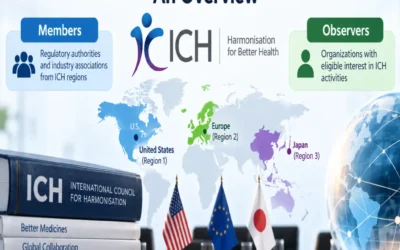
In this in-depth article, we’ll explore various nuances surrounding the International Conference of Harmonisation (ICH) organization, including its facts and guidelines. Let’s delve into the details.
In this specialized blog, we will elaborate on the concept of case routing and delve into various workflows associated with routing cases in ICSR management.
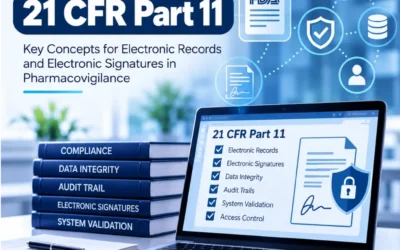
In this extensive blog post, we will explore into the nuances of 21 CFR Part 11, exploring its significance within the pharmaceutical domain and why compliance is essential.
In this dedicated blog, we explore the crucial role of databases in the field of pharmacovigilance. We provide an overview of various databases that are integral to this field, highlighting their features and urls. While we acknowledge that there are numerous databases available, we share our knowledge of some important ones to enhance your understanding.
Welcome to our comprehensive blog report that delves into the transformative effects of the COVID-19 pandemic on the pharmacovigilance industry. In this article, we provide an in-depth analysis of how the field of pharmacovigilance has evolved in response to the global health crisis.
In this blog you will know the details of the World Health Organization’s (WHO) role in pharmacovigilance. If you’re interested in understanding the contributions and significance of the WHO in ensuring global drug safety, you’ve come to the right place.
This dedicated blog takes a time to sincerely find out the major problem between pharmaceutical companies and pharmacovigilance services. So it aims to just demonstrate the problems that are, Join us on this journey as we seek to find effective solutions.
In this dedicated Pharmacovigilance blog, where we shine a spotlight on the importance of valid Individual Case Safety Reports (ICSRs). Within the ICSR category, we will delve into the significance and explore the essential criteria that define a valid ICSR.
In this blog, where we explain the steps involve in the process of coding drugs and adverse events into the pharmacovigilance database. This critical step requires careful attention to important aspects to ensure accuracy and effectiveness. Join us as we delve into the world of coding drugs and adverse events.
In this comprehensive and expansive blog post, we will delve into the significance of narrative and its integral components within the context of ICSR (Incident, Safety, and Crisis Reporting).
This is a very late blog in this particular category, where we dive into the step-by-step process of ICSR (Individual Case Safety Report) case processing. Whether you are new to the field or seeking a refresher, this blog is designed to provide you with a comprehensive understanding of the process.
Welcome to our ICSR hacking blog focused on quality. In this article, we explore simple and easy daily routine of methods to enhance the quality of case processing. Rather than relying on discussing and gossiping, we draw from real-world experiences to provide you with logical insights and actionable tips. #Blog/Excerpt
In this comprehensive blog, you’ll uncover key information about what “Day Zero” signifies in the context of case processing and the broader field of pharmacovigilance. Additionally, you’ll gain insights into calculating the day of submissions.
This is a serious of blog explaining the associated processes, From this you will gain a knowledge on handling Root Cause Analysis in general way and explaining of implementing in your workplace.
In this detailed blog post, we explore into the intricate differences between the terms “dechallenge” and “rechallenge,” providing key considerations. Learn deeper by clicking here.
In this comprehensive article, we delve into the specifics of “LOE” (Lack of Efficacy) within the context of adverse events. We explore distinct scenarios to differentiate between what constitutes LOE and what does not.
This blog provides a comprehensive explanation of the hierarchical structure in MedDRA, complete with clear and concise definitions. It also includes a diagrammatic representation of the hierarchy to facilitate your better understanding of the system.
In this comprehensive blog, we delve into why reporting adverse events is crucial for public safety and discuss the concerning issue of the rapid and widespread lack of adverse event reports.
Discover the role of the medical review in pharmacovigilance, including its responsibilities and eligibility criteria. Click to delve deeper into this insightful exploration. Read more here.
In this blog, you’ll explore into the importance and procedures of conducting Root Cause Analysis (RCA) in pharmacovigilance, accompanied by relevant references for deeper understanding.
In this comprehensive blog, we will delve into the fundamentals and history of CIOMS, the Council for International Organizations of Medical Sciences. While many of us are aware that CIOMS is a non-profit organization, its significance goes beyond that.
In this detailed blog, we delve into the specific aspects of the benefit-risk evaluation process, accompanied by a flow diagram illustrating the sequential steps for proper implementation.
In this blog, we delve into the world of pharmacovigilance and explore the essential considerations for effective case intake. We provide you with exceptional ideas and valuable insights on how to navigate this crucial stage of intake of cases in the pharmacovigilance process.
This blog aims to explore essential tools that can significantly enhance your business operations, leading to excellent profits, all while bypassing the need for costly proprietary software. We will delve into alternative solutions that provide exceptional performance without burdening your budget.
In this comprehensive blog, where we provide a comprehensive overview of pharmacovigilance. Whether you’re new to the field or seeking a refresher, our blog is here to guide you through the basics of pharmacovigilance.
In this article, I briefly provide an overview of the resources I use to collect emails for my business development with no costs. Although it is time-consuming process and may not suitable for everyone, I still share my experience for those starting a business on a limited budget might helpful.
From this insightful blog, where you can learn all about action items and provide guidance on how to handle them promptly in various circumstances. By the end of this blog, you’ll have the knowledge to confidently address action items and drive progress.
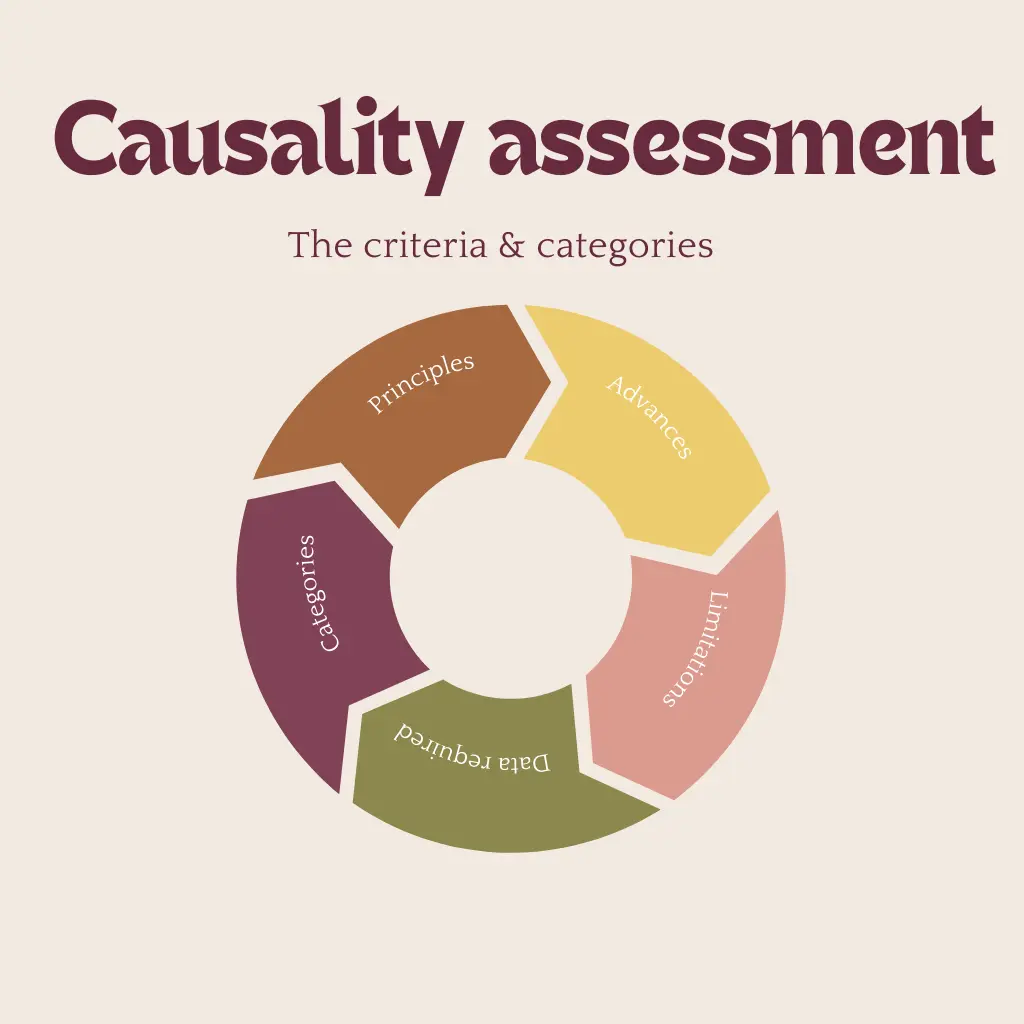
Welcome to our blog, where we demystify the concept of causality assessment in the pharmacovigilance process. We understand that grasping the criteria and categories of causality assessment can sometimes be challenging. That’s why we’re here to simplify it for you, presenting the information in an easy-to-understand manner.
Within this extensive pharmacovigilance blog, specifically focusing on Individual Case Safety Reports (ICSRs), we meticulously construct a model narrative, line by line, outlining the essential information to be incorporated. By engaging with this content, you’ll acquire valuable insights into narrative writing within the context of ICSR reporting.
In this comprehensive article, we delve into the world of counterfeit medicines. We explore what they are, how they are classified as adverse events, and the considerations involved.
In this pharmacovigilance blog, we will delve into the details of civil penalties, addressing any uncertainties regarding the amount of penalties for late submissions or the provision of misleading data. Take a moment to read and gain clarity through this blog. Happy reading!
Welcome to our informative pharmacovigilance blog, where we explore the significance of the country of incidence in ICSR (Individual Case Safety Report) case processing and its potential impact on the outcome of the case. Join in our journey through the world of pharmacovigilance.
In this insightful blog post, you will delve deep into the intricate layers of MedDRA’s vision and mission, exploring its evolution over time, and its ambitious overarching goals. Ultimately ensuring public safety and enhancing the quality of healthcare services.
Welcome to this insightful blog, where we delve into the purpose and benefits of AERS (Adverse Event Reporting System) and explore how it aids regulatory bodies in effectively addressing the potential harmful effects of drugs on the general population. Join us as we uncover the significance of AERS in ensuring drug safety and public health.
In this informative pharmacovigilance blog, where we provide you with a wealth of knowledge on conducting quality checks in Individual Case Safety Report (ICSR) cases. Discover in-depth information, insights and responsibilities about the guidelines associated with performing these checks.
From this blog, where you systematically explore regulatory timelines based on case criteria determined by authorities. If you’re looking to navigate the complexities of regulatory timelines, you’ve come to the right place.
Discover in this blog post the techniques to reduce errors stemming from extra spaces in written narratives—an often overlooked aspect that many of us tend to neglect. Click here to explore the valuable tips.
In this comprehensive blog, where we delve into the world of regulatory authorities and their dedicated roles. If you’ve ever wondered about the crucial functions performed by regulatory bodies, you’ve come to the right place.
Welcome to the next instalment of our blog series on case triage in pharmacovigilance, where we explore why triage is a crucial part of case processing. In this blog, we will provide you with a comprehensive understanding through the lens of triage.
Copyright © Drugvigil. All Rights Reserved.